
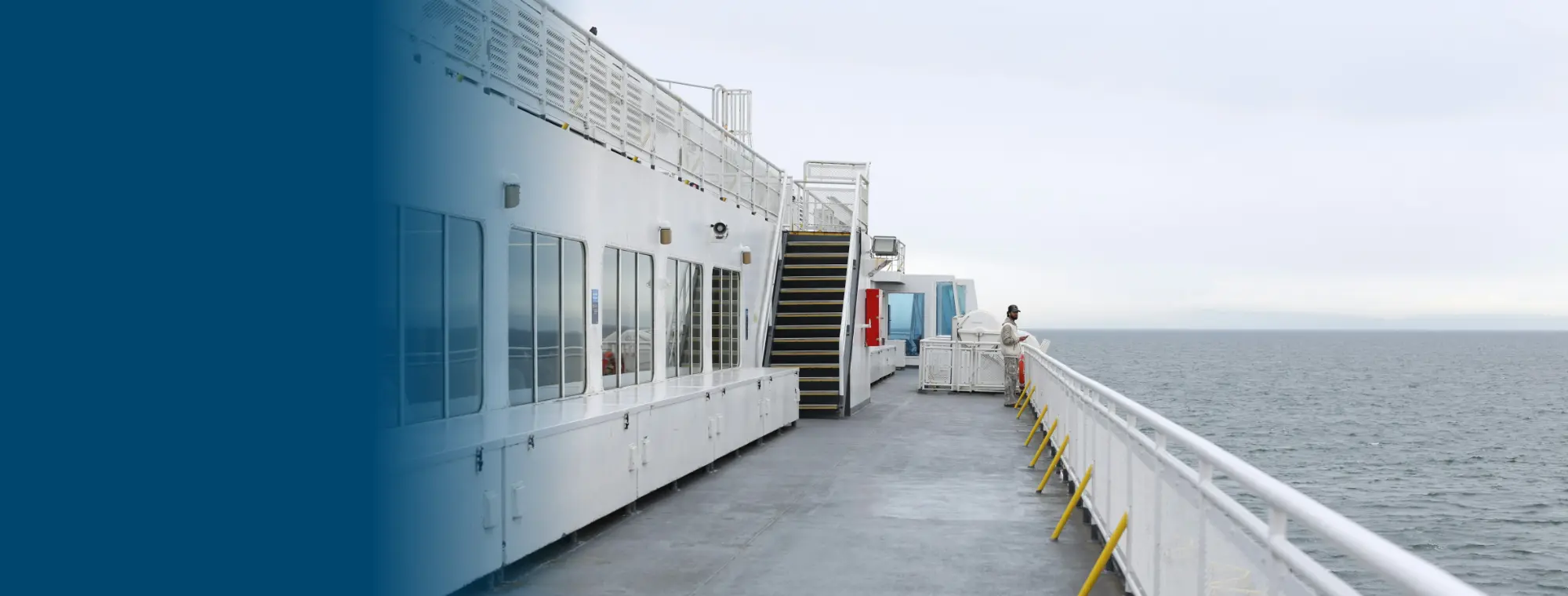
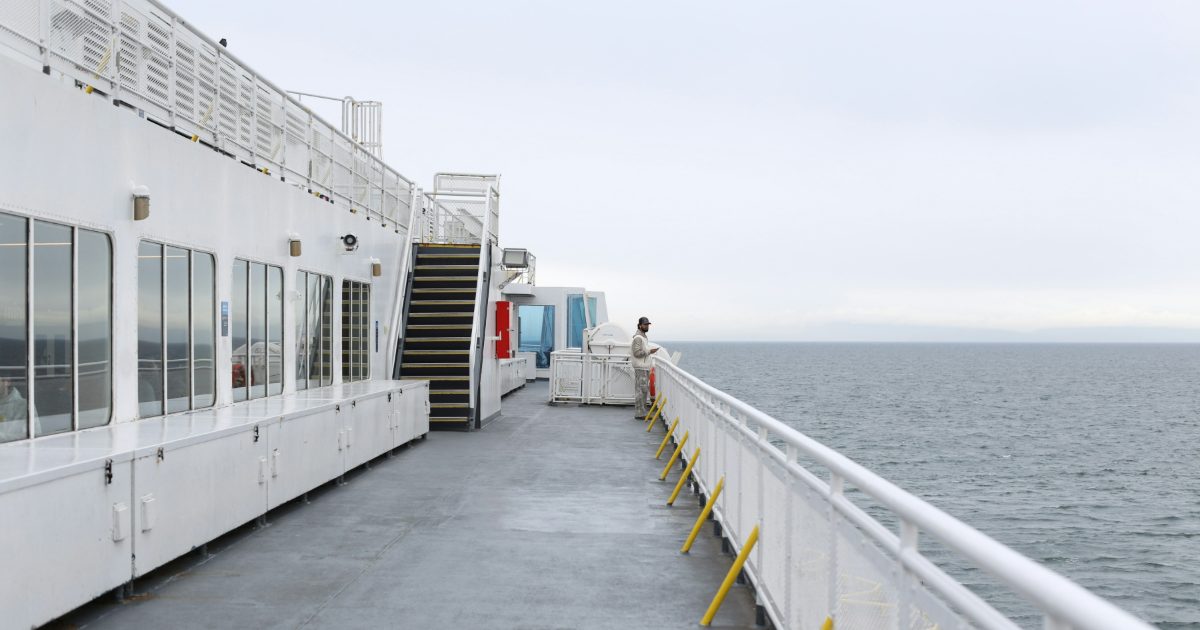
Or the middle of a boat
When medicine works best
Peak age in children
Rarely affected
Symptoms and who gets it
Travel sickness can cause dizziness, feeling or being sick, a headache, sweating, and feeling cold and going pale. It can happen in a car, boat, plane or train.
It is more common in children, in pregnancy and in people who have migraines.
Reducing the risk on a journey
Look straight ahead at a fixed point, such as the horizon, and get fresh air if you can, for example by opening a window. Closing your eyes and breathing slowly can also help.
Avoid reading, watching films or using a phone or tablet on the move, and do not look at moving things such as passing cars or waves. Do not eat heavy or spicy meals or drink alcohol shortly before or during the journey.
On a plane, sit near the wings. On a long journey, stop to get fresh air, drink water or take a walk.
Some people try ginger, as a tablet, biscuit or tea. Acupressure bands do not work for everyone.
Travel sickness medicines
Pharmacies sell travel sickness tablets. Most adults and children from age 4 can take hyoscine hydrobromide, and from age 5 cinnarizine.
Take hyoscine hydrobromide at least 30 minutes before you travel, and cinnarizine two hours before. Travel sickness patches, which need a prescription, can be used by adults and children over 10.
Both medicines can make you drowsy, and hyoscine hydrobromide can also make you dizzy or blur your vision. If they affect you this way, do not drive, ride a bike or use machinery. Avoid alcohol while you take them, as it can make you more sleepy.
Neither tablet is usually recommended in pregnancy, so speak to your doctor or midwife before you take one.
On a cruise, even people who are not usually travel sick can be seasick, so ask a pharmacist about medicine before you sail.
Travel sickness in children
Talking, listening to music or singing can take a child's mind off the journey. Dissolvable travel sickness tablets are made for children.
Young children
Too much sedation from a travel sickness medicine can be life-threatening for a young child. Give a first dose at home before the trip, to see how your child reacts.
How we help
Your travel health nurse can advise on travel sickness for each person on your trip, including children, at the same appointment as your vaccinations.
- Travel vaccines held in stock and given at the same visit
- Children seen from birth
- Same or next day appointments are usually available
Frequently asked questions about travel sickness
What are the best travel sickness tablets?
Can I take travel sickness tablets when pregnant?
Do travel sickness bands work?
Can I drive after taking travel sickness tablets?
Why do I feel sick reading in the car?
Can children take travel sickness medicine?
Written by the Medwyn travel health team · Clinically reviewed by Dr Stewart Tomlinson, Medical Director · Last reviewed 15 October 2026
- National Travel Health Network and Centre (NaTHNaC) – Cruises (opens in a new tab), last updated 13 August 2024
- NHS – Motion sickness (opens in a new tab), last reviewed 19 June 2023
- NHS – Hyoscine hydrobromide (opens in a new tab), last reviewed 26 August 2026
- NHS – Cinnarizine (opens in a new tab), last reviewed 6 August 2026
- US Centers for Disease Control and Prevention (CDC) – Yellow Book 2026, Motion sickness (opens in a new tab), 23 April 2025
Your consultation will cover your own trip requirements and medical history. Medwyn Travel Clinic is a private clinic.
Book your travel consultation
Appointments take 30 minutes for one person, 45 minutes for two or three people, 60 minutes for four and 75 minutes for five. Travellers come to us from Reigate, Leatherhead, Redhill, Guildford, Woking, Kingston, Epsom, Horsham, Horley and Crawley.
Visit us
Clinic hours
- Monday, Tuesday and Friday
- 8.30am–6pm
- Wednesday and Thursday
- 8.30am–7pm
- Saturday
- 8.30am–1pm
- Sunday
- Closed
The map loads once advertising cookies are accepted.