
Loose stools in 24 hours
How long most bouts last
Pack them before you go
Can begin after return
Causes and who is at risk
Most cases are caused by bacteria, and some by viruses or parasites, passed on through traces of faeces. It is more common on trips to low-income countries. Where you eat makes a large difference to your risk.
It can be more severe in babies, young children, older people and anyone frail. If you are pregnant, travelling with a very young baby or have a bowel condition or a weakened immune system, talk to your GP or hospital team about your trip before you book.
Medicines that reduce stomach acid raise the risk of some infections, so take particular care with food and water if you take them.
Food and drink
Freshly cooked food served piping hot, fruit you peel yourself and pasteurised dairy foods are better choices. Drinks in sealed cans and bottles, and tea or coffee made with boiled water and served hot, are usually safe.
Salads, unpeeled raw fruit and vegetables, and unpasteurised dairy foods carry a higher risk. So do raw or undercooked meat, fish and shellfish, and food left uncovered in the warm, as at a buffet.
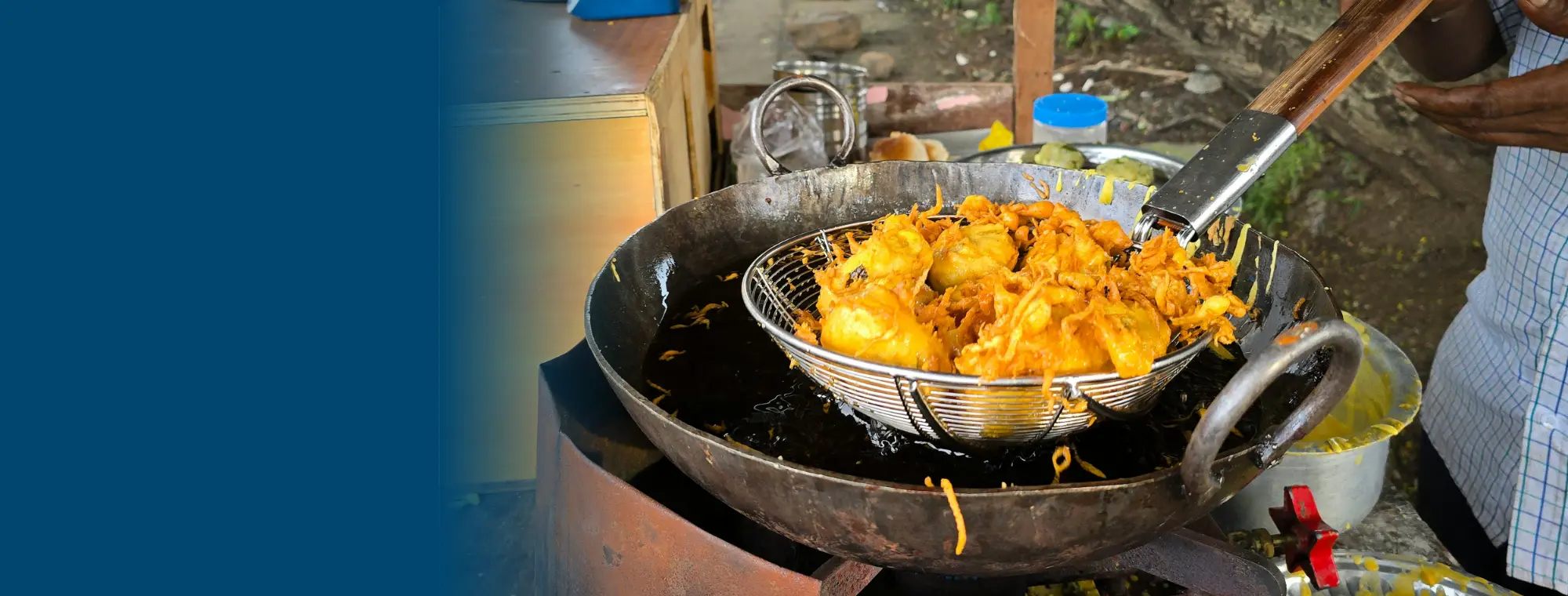
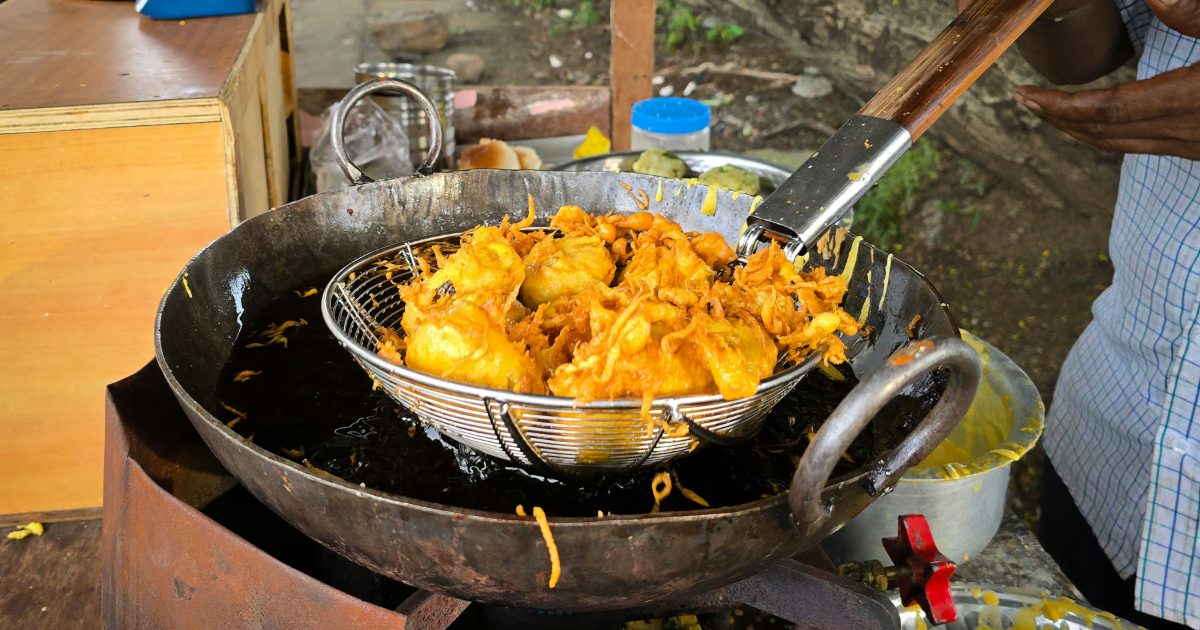
Eat street food only if it is cooked thoroughly in front of you and served hot on clean plates.
Water and hand washing
Where sanitation is poor, do not drink tap water or brush your teeth with it unless it has been treated, and avoid ice.
Bringing water to a rolling boil disinfects it. Chemical treatments work too, and chlorine dioxide is better than chlorine against parasites. Filtering the water first removes dirt and some parasites.
Wash your hands with soap and clean water after using the toilet or changing a nappy, and before preparing or eating food. Alcohol gel helps where there is no soap and water, though it is not fully effective.
Treating diarrhoea
Most bouts are mild and settle on their own. Keep eating and drinking as normal, and keep breastfeeding a baby.
Oral rehydration solution, made up with clean water, replaces lost salts and sugar. Use it for more severe diarrhoea and for anyone more at risk of dehydration, such as babies, young children, older people and pregnant women. If you have none, mix six level teaspoons of sugar and half a teaspoon of salt into a litre of safe water.
Adults and children from age 12 can take loperamide for up to two days to ease mild to moderate diarrhoea, such as before a long journey. Do not take it if you have a high fever, blood or mucus in your stools or severe stomach pain, or if you have active inflammatory bowel disease.
Antibiotics are not usually needed. A standby course to carry with you may be prescribed if you are at high risk of severe illness, or going somewhere remote, far from medical care.
When to get medical help
Get medical help if your diarrhoea has not improved within three days.
Babies, young children and older people need help sooner if they cannot keep fluids down or show signs of dehydration. These include great thirst, sunken eyes and dry skin that is slow to spring back.
Get help at once
Get medical help at once for a fever of 38°C or more, blood or mucus in your stools, confusion, severe stomach pain, yellowing of the skin or eyes, or a rash. Tell the doctor every country you visited.
How we help
Your travel health nurse goes through the food and water risks where you are going and what to pack to treat diarrhoea.
- Treatment for travellers' diarrhoea prescribed to take with you, where advised
- Vaccination against hepatitis A, typhoid and cholera, where advised for your trip
- Children seen from birth
Frequently asked questions about travellers' diarrhoea
How long does travellers' diarrhoea last?
Can children take loperamide?
Do I need antibiotics for travellers' diarrhoea?
Is street food safe to eat?
Is there a travellers' diarrhoea vaccine?
Can I use bottled water for baby formula?
Written by the Medwyn travel health team · Clinically reviewed by Dr Stewart Tomlinson, Medical Director · Last reviewed 15 October 2026
- National Travel Health Network and Centre (NaTHNaC) – Travellers' diarrhoea (opens in a new tab), last updated 27 February 2024
- National Travel Health Network and Centre (NaTHNaC) – Food and water hygiene (opens in a new tab), last updated 23 October 2025
Your consultation will cover your own trip requirements and medical history. Medwyn Travel Clinic is a private clinic.
Book your travel consultation
Appointments take 30 minutes for one person, 45 minutes for two or three people, 60 minutes for four and 75 minutes for five. Travellers come to us from Reigate, Leatherhead, Redhill, Guildford, Woking, Kingston, Epsom, Horsham, Horley and Crawley.
Visit us
Clinic hours
- Monday, Tuesday and Friday
- 8.30am–6pm
- Wednesday and Thursday
- 8.30am–7pm
- Saturday
- 8.30am–1pm
- Sunday
- Closed
The map loads once advertising cookies are accepted.